





Identifying anxiety isn't always as simple as spotting a trembling paw. Often, it manifests in subtle "whispers" before it becomes a "shout." As a Pet Parent, understanding these signals is the first step toward a calmer, happier life for your dog.
Decoding the Body Language: The Common Signs
Anxiety in dogs is often a physiological response to a perceived threat. While every dog is an individual, here are the primary red flags to look for:
The Subtle Whispers (Early Signs)
-
Excessive Lip Licking: If there’s no food involved, frequent yawning or lip licking can be a sign of displacement—a way for dogs to self-soothe.
-
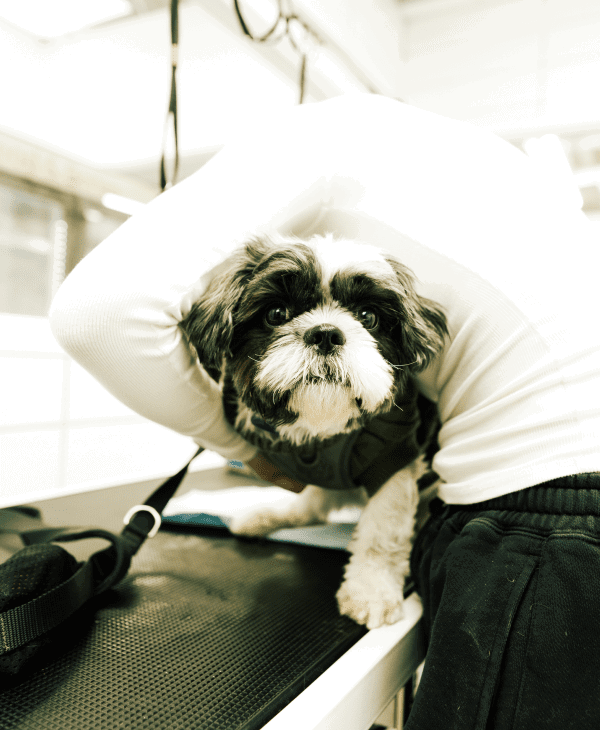
Avoidance or "Whale Eye": If your dog is showing the whites of their eyes or turning their head away when a guest approaches, they are feeling pressured.
-
Hyper-Vigilance: Does your dog constantly scan the room or startle at the smallest condo hallway noise? This "on-guard" state is a hallmark of urban anxiety.
The Clear Shouts (Advanced Signs)
-
Panting and Pacing: Even when it’s cool inside, an anxious dog may pace a specific path or pant heavily.
-
Destructive Behavior: Often associated with separation anxiety, this usually targets exit points like doorways or window sills.
-
Changes in "Bathroom" Habits: Sudden accidents in the house from a previously house-trained dog can be a direct result of stress-induced GI upset.
The Three Most Common Types of City Anxiety
1. Separation Anxiety
The most common query for Toronto professionals. This occurs when a dog is hyper-attached to their Guardian and feels genuine panic when left alone in a condo or house.
2. Noise Phobia
From the roar of the Gardiner Expressway to the sudden "bang" of downtown construction, noise phobias are common. Dogs with this anxiety often seek "den" spaces like bathrooms or under beds during storms or fireworks.
3. Social or Situational Anxiety
This often triggers during walks on busy streets or visits to high-traffic dog parks. It can manifest as "reactivity" (barking/lunging), which is often just a defense mechanism born out of fear.
Why the "Certificate of Trust" Matters for Anxious Pets
When your dog is struggling, you want solutions that work without compromising their long-term health. Before any calming product—whether it’s a hemp-based chew, a probiotic for the "gut-brain axis," or an enrichment puzzle—makes it to our shelves, we ask:
-
Where are the ingredients sourced? We prioritize Canadian, traceable ingredients.
-
Are the additives natural? We avoid chemical sedatives in favor of gentle, functional ingredients like L-Theanine or Valerian Root.
-
Is it safe? We verify the manufacturer’s history to ensure no harmful fillers are hidden in the "calming" blend.
Frequently Asked Questions (FAQ)
Q: Can I just use "people" supplements for my dog’s anxiety? A: Never. Many human supplements contain Xylitol (a deadly sweetener for dogs) or dosages that can cause toxicity. Always use products specifically formulated for canine physiology.
Q: Will my dog outgrow their anxiety? A: Unlikely. Without intervention, anxiety usually becomes "generalized," meaning the dog starts fearing more things over time. Early intervention with training and nutritional support is key.
Q: Does food impact anxiety? A: Absolutely. A diet high in fillers and sugars can lead to energy spikes and crashes that mimic or worsen anxiety. A biologically appropriate diet helps maintain a steady "baseline" mood.
Take the Stress Out of the City
Ready to help your pet find their zen? Whether you need a heavy-duty enrichment toy to keep them busy while you’re at the office or a gentle supplement to take the edge off a thunderstorm, we’re here to guide you.
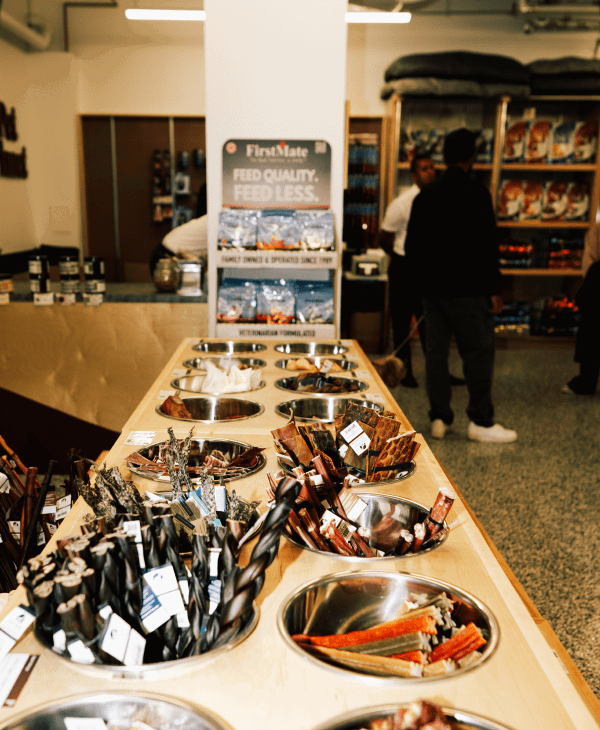
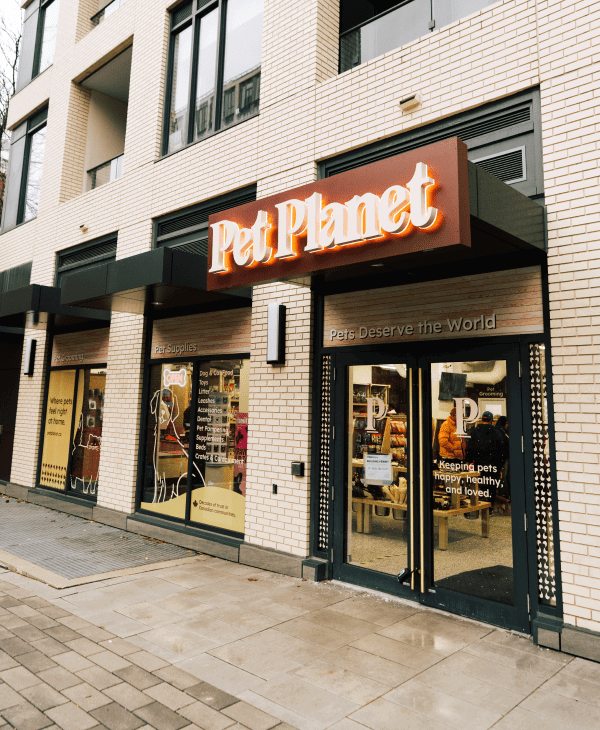
Stop by our King West location at 543 Richmond St W. Our team is ready to help you earn back your pet's confidence, one step at a time.