




















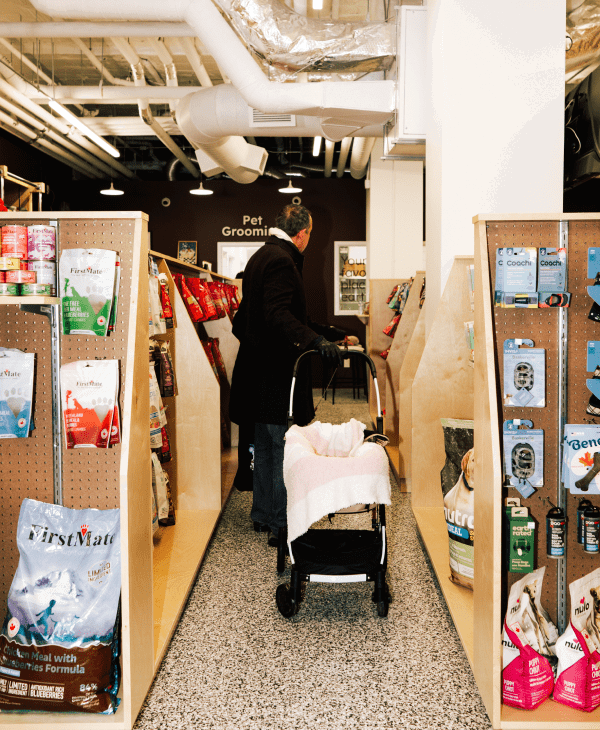



Walking down the pet food aisle can feel like trying to read a foreign language. With flashy packaging claiming "all-natural," "vet-recommended," and "human-grade," it’s hard to know what’s marketing fluff and what’s actual nutrition.
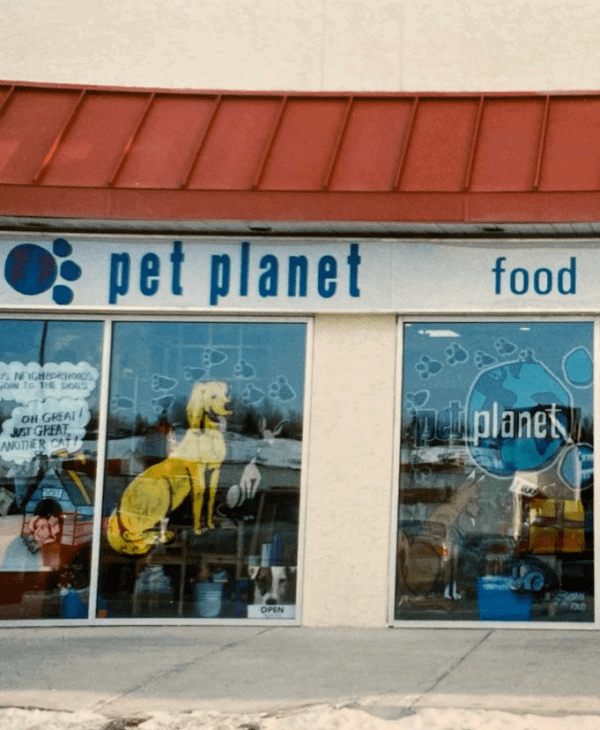
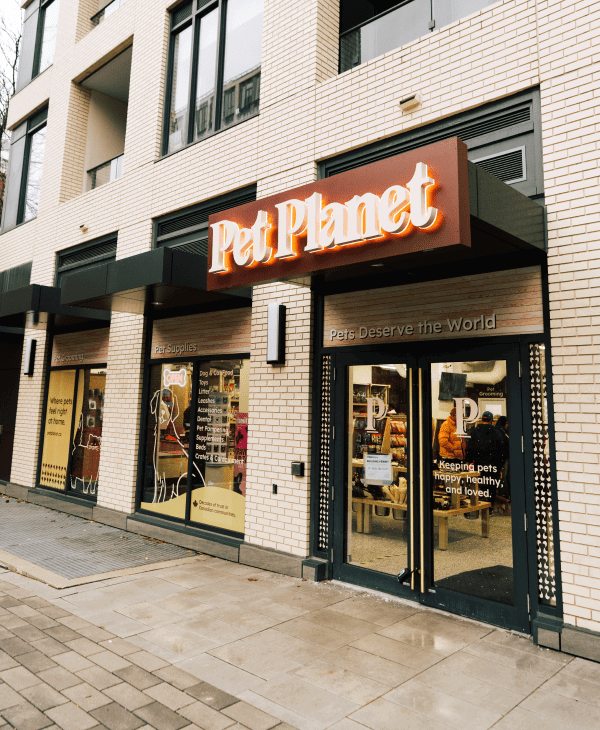
At Pet Planet Toronto, we believe that a healthy pet starts with an informed owner. Our Certificate of Trust ensures that every product on our shelves is there because it has met our standards, is trusted, and is safe for your pets.
To help you navigate the sea of kibble and cans, our team has put together this guide to help you look past the pretty pictures and understand the fine print.
1. The 80/20 Rule of Ingredients
In Canada and the U.S., ingredients must be listed by weight before processing. This means the first five ingredients make up the vast majority of the food.
-
Look for named proteins: You want to see "Chicken," "Beef," or "Lamb" as the first ingredient.
-
Beware of "Meat By-Products": This is a generic term that can include various parts of unspecified animals. It lacks the consistent nutritional profile of named meats.
-
The "Meal" Mystery: Ingredients like "Chicken Meal" are actually highly concentrated protein sources because the water has been removed. Seeing a named meal in the top three ingredients is often a sign of a high-protein diet.
2. Spotting the "Fillers"
Fillers are ingredients added to bulk out the food with little to no nutritional value. While some grains provide healthy fiber, others are just cheap calories.
-
Common Fillers: Corn, wheat, and soy are often used because they are inexpensive. If these appear in the top three ingredients, the food may be lower in bioavailable protein.
-
Ingredient Splitting: This is a sneaky tactic where a manufacturer lists "Ground Corn," "Corn Gluten Meal," and "Corn Flour" separately so that a meat source can stay at #1 on the list, even though the bag is mostly corn.
Expert Tip from the Pet Planet Team: If you see three different versions of the same grain listed, that’s a red flag for ingredient splitting!
3. Understanding the "Guaranteed Analysis"
This panel tells you the minimum percentages of crude protein and fat. However, remember that these numbers are based on "as-fed" weight.
If you are comparing raw food vs. kibble, the percentages will look very different because raw food has a much higher water content. To get an accurate comparison, you have to calculate the nutrients on a "Dry Matter Basis." (If that sounds like too much math, come visit us in-store—we’re happy to do the heavy lifting for you!)
4. Marketing Terms vs. Legal Definitions
Not all labels mean what you think they mean.
-
"Natural": Generally means the ingredients haven't been chemically altered, but it doesn't necessarily mean "high quality."
-
"Human-Grade": This is a rigorous standard. For a food to be truly human-grade, every ingredient and the facility it was made in must meet human food safety standards.
-
"Grain-Free": Often replaced with legumes like peas or lentils. Make sure your dog actually needs a grain-free diet before switching, as grains like oats and brown rice can be very beneficial.
The Pet Planet Toronto Quick Checklist
Before you buy your next bag, check for these three things:
-
A named animal protein is the first ingredient.
-
No artificial colors or dyes (your dog doesn't care if their kibble is "red"—that's for you!).
-
A clear "Best Before" date to ensure freshness.
Never Run Out of the "Good Stuff"
Once you’ve found the perfect, high-quality formula for your pet, the last thing you want is to realize the bag is empty at 9 PM on a rainy Tuesday. That’s why we created the Pet Planet Subscription Program.
By subscribing to your pet’s favorite food, you’ll save on every order and enjoy the peace of mind that comes with automatic, local Toronto delivery. No more "emergency" runs to the store—just consistent, premium nutrition delivered right to your door.
👉 [Click here to learn more about our Food Subscriptions and how to save 25% on your first delivery!)
Frequently Asked Questions (FAQ)
Q: Is "Chicken Meal" worse than "Fresh Chicken"? A: Not necessarily! Fresh chicken contains a lot of water weight. Chicken meal is a concentrated protein source. A high-quality food often contains both.
Q: Why does my dog's food contain ash? A: "Ash" isn't an ingredient added to the food. It is a measurement of the mineral content (like calcium and phosphorus) left over after the organic matter is burned off during testing.
Q: Does "Veterinary Recommended" mean it's the best? A: It means a company has a relationship with veterinary professionals. Always check the ingredient list yourself to ensure it meets your specific dog's nutritional needs.
Next Steps for Your Pet’s Health
Ready to upgrade your pet's bowl? Browse our curated selection of premium kibble and raw diets here or stop by our Toronto shop for a personalized nutritional consultation with one of our team!